Skip to content

Insights

Problem. Decision. Result.

Case studies from environments where mistakes aren't forgiven. For each one we describe what needed solving, how we decided and what it delivered.

Case study 0101 / 03
Packaging analysis on a laptop in an office
FMCG · PPWR

The packaging report took days and ended with manual fixes in Excel

Nestlé prepared its packaging reports in an application that no longer met users’ needs. Instead of patching the old system, we built its next generation - and producing a report went from days to minutes.

up to60daysof work saved per year by automating the report
estimate based on preliminary results
  • Custom development
  • Operations and support
  • SAP integration
  • Azure
Client
Nestlé CEE
Sector
Food industry
Framework
PPWR
Services
Development, operations and support
Environment
Client’s Azure
Since
2025

About the client

Nestlé is a global food company whose products are part of everyday life. Each of them has its packaging - and with it come data that need to be recorded and reported. This is where our collaboration began.

01

What needed to change

The original application fell short in features, usability and technology, and was no longer developed. Documentation did not cover all processing rules, so part of the know-how stayed only with the people using the system.

At the end of the chain is an authority that checks the reports. An error in the data is not an inconvenience but a risk of penalties.

02

Why a new generation, not a fix

The shortcomings covered features, usability and the technology base. So we built a new application around users’ current needs.

It runs as a web application in the client’s Azure. We develop it incrementally, so benefits arrive before the whole, and modularly, so it can grow as reporting requirements change.

03

The hardest part was understanding the SAP data

For some attributes, the column name alone was not enough to understand their meaning. Together with Nestlé’s people we gradually clarified what the values mean and how to calculate with them. This took the most time and decided whether the outputs were correct.

During the analysis we also found further manual steps - and automated them too.

Result

  • From days to minutesProducing a report went from several days to minutes.
  • No manual correctionsOutput accuracy now matches the accuracy of the input data.
  • Long-term partnershipSince 2025 we have provided development, operations and support.
“Trixit is a trusted partner that consistently works alongside our teams to deliver practical solutions to business challenges. Their packaging reporting automation has streamlined our processes, freed up valuable resources, and ensured we are well prepared for compliance with the European PPWR regulation.”

Richard JechRichard JechHead of CEE Information Technology, Nestlé
Dealing with a similar agenda? Take a look at the solution for packaging data and PPWR.See the solution
Case study 0202 / 03
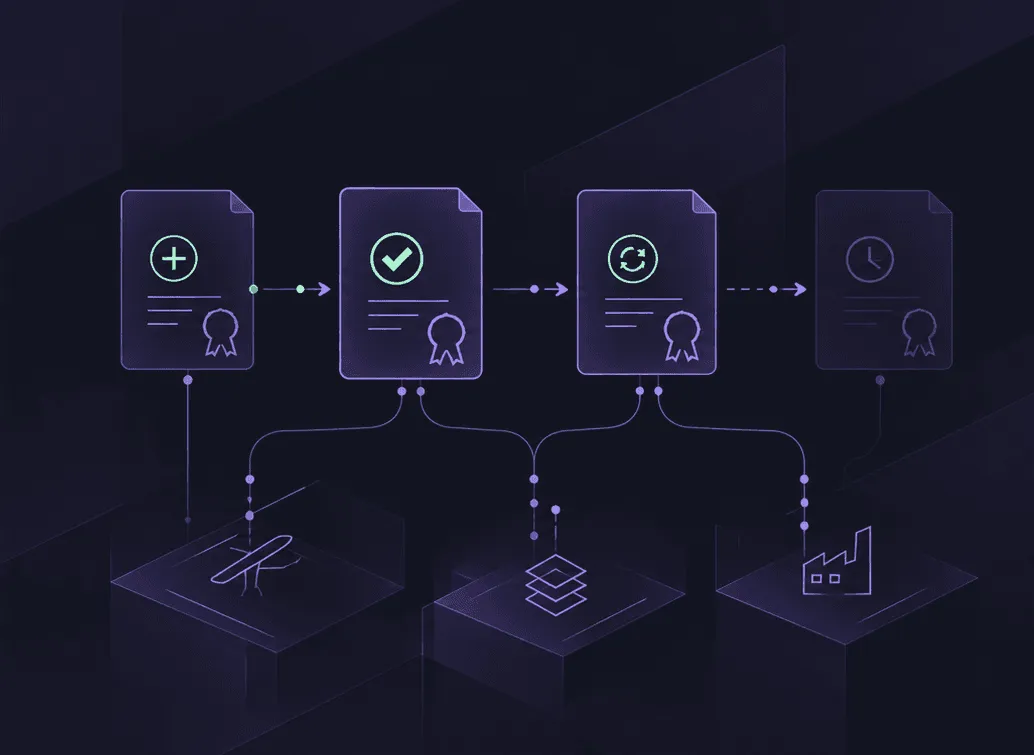
Certificate flow diagram: issuance, validity, renewal and expiry for the customer’s clients
Security · CLM

A product at end of life, with no documentation and a new foreign supplier: how the CLM replacement came about

The customer needed to replace its own certificate management product, which was at the end of its life and had no usable documentation. A rewrite without source material carried the risk of losing functions whose purpose nobody remembered, and it was also the customer’s first collaboration with an external team from abroad. We delivered a complete team from architecture to testing, traced back the reasons behind existing functions and created a new backend, a new React interface and documentation.

  • Team capacity leasing
  • Microservices architecture
  • Spring Boot
  • React
About the customer

A European technology company that develops and operates digital identity and certificate management solutions. Its services are used by insurers, manufacturers and international airlines, organisations for which the secure storage of sensitive data is essential.

Sector
Security, identity management
Services
Full project team
Technology
Spring Boot, React, MAYI ID IAM
Subject
Replacing an in-house CLM
Engagement
01/2024–06/2026
01

An in-house product at end of life and without documentation

The customer ran a CLM product it had developed itself. The solution was at the end of its life and the customer could not build extensions of its services on it. Documentation for the product was missing entirely.

The risk lay with the customer alone. If the product kept running without a replacement, its services would remain limited by the state of the old solution and knowledge of how it worked would remain only in the code. This situation threatened the secure storage of sensitive information belonging to the customer’s key clients, including insurers, manufacturing plants and international airlines.

The customer was also working with an external team from abroad for the first time; until then it had developed everything in-house.

02

Why a new backend and React instead of modifying the old solution

The brief for a complete replacement read: a new backend and a new React interface, in a microservices architecture with Spring Boot. These decisions were fully within the remit of the customer’s product manager and Architect Board and were tied to compatibility with the customer’s other modules, such as its IAM product.

The constraint that came into play was the customer’s budget, which influenced the roadmap and the timing of new requirements and features, as well as their ongoing prioritisation.

03

Studying the original code and tracing back the reasons for functions

The brief only anticipated rewriting the existing application. Because all documentation was missing, for many functions we had to find out why they were created and how they evolved, and only then carry them over into the new solution.

The process began with studying the original code. This was followed by a complete analysis of the new user interface and implementation of the new backend and React frontend. It also included implementing a proxy for certificate issuance (WSTEP, XCEP, SCEP).

04

A full project team including UX and documentation

We delivered a complete team with the roles of architect, analyst, FE and BE developers, testers, a UX designer and a person responsible for documentation. The team also helped the customer define requirements. We were involved from preparing the roadmap to communicating with end users.

What the customer kept

The customer was left with a new CLM product and the documentation that the old solution lacked.

Case study 0303 / 03
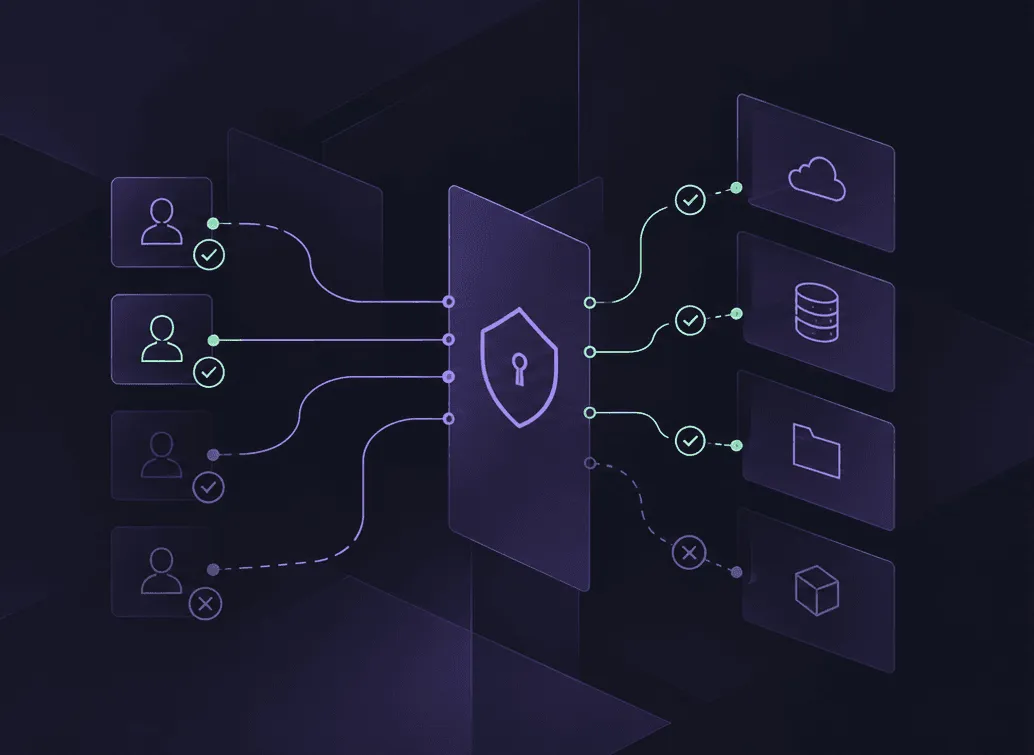
Identity management diagram: users, access verification and protected services
Security · IAM

Development without a brief on a fixed budget: how to run the replacement of a security system when requirements are defined on the go

The customer ran an identity and access management (IAM) product developed in-house, which had reached the end of its life and offered no basis for expanding its services. Development took place without a formal brief, on a limited budget and with an external team from abroad for the first time. We delivered the whole project team, from architecture to documentation, and built the new platform on microservices, Spring Boot, React and Keycloak.

  • Team lease
  • Microservices architecture
  • Spring Boot
  • React
  • Keycloak
About the customer

A European technology company that develops and operates digital identity and access management solutions. Its services are used by international airlines, insurers and manufacturers. For the same customer we also replaced its certificate lifecycle management (CLM) product.

Sector
Security, identity and access management
Services
Full project team
Technology
Spring Boot, React, Keycloak
Subject
Replacing an in-house IAM
Engagement
01/2024–06/2026
01

An in-house IAM product that could no longer be developed

The customer needed to fully replace an IAM product it had built itself. The existing solution was at the end of its life and the customer wanted a new platform on which it could expand its services.

The risk was not just technical ageing. A system handling identities and access is a security layer, and its failure or inability to evolve directly affects the customer’s clients, including international airlines, insurers and manufacturing plants, and the services that rely on it.

02

Development without a brief, on a fixed budget and with a first foreign supplier

The constraint was the customer’s budget. There was no brief, requirements were defined on the go and development was iterative. It was also the customer’s first collaboration with an outsourced team from abroad; until then it had done everything in-house.

Such conditions shift the risk onto scope and budget: without acceptance criteria at the start, what counts as done has to be agreed continuously. Acceptance followed a simplified agile approach based on internal testing by the product manager, checking whether delivered features met expectations and the brief outline. The final acceptance criterion was the ability to roll features out to customers and feedback from end users.

03

Why we went with a custom platform on Keycloak rather than another option

We developed the platform to fulfil a requirement arising from a decision that was fully within the remit of the customer’s product manager and Architect Board. We used Keycloak as the foundation, with Spring Boot microservices on top and a React frontend.

04

How requirements were defined on the go and who led them

As there was no brief, we helped the customer define the requirements. We delivered a complete project team: architect, analyst, frontend and backend developers, testers, a UX designer and a person responsible for documentation.

Our work also included regular reviews of architectural decisions, such as postponing the move to a Kubernetes architecture, which would otherwise have delayed the delivery of new features.

What the customer keeps after the engagement ends in June 2026

The customer was left with a new IAM platform and complete documentation in a BookStack environment, which we designed and implemented for easy recording and internal and external sharing of information. A move from an outdated Wiki system to a modern, easy-to-maintain platform.

Everything remained stored with the customer, in its own GitLab and environment.

Next step

Facing a similar situation?

Describe it. You will hear from someone with the authority to decide on scope and next steps.

Get in touch